Hello readers, and welcome back to On Politics. Kathryn Palmer here. After extreme anxiety around the globe yesterday over Trump's ultimatum on Iran, the temperature has dropped slightly following the ceasefire, though many critical questions remain unanswered or unclear. Let's get into today's news.
|
How Trump reversed course on the Iran war
|
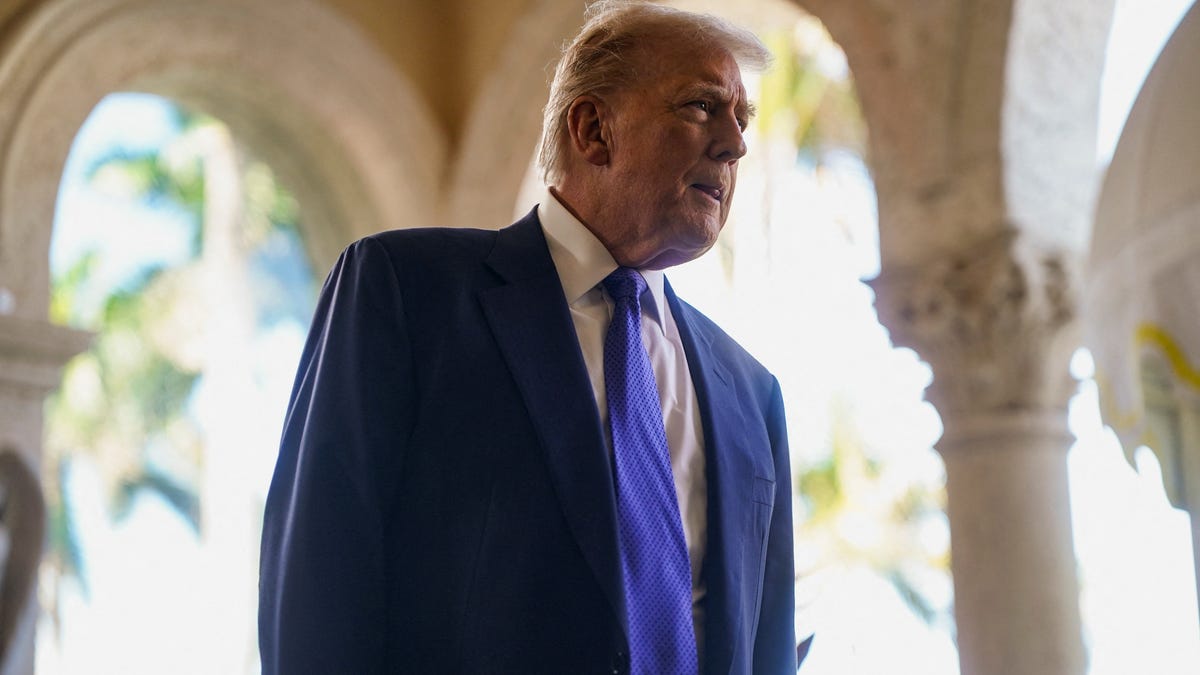
President Donald Trump had threatened attacks on Iran that would wipe out “a whole civilization.” But before his ultimatum deadline last night, he did something else: He announced a two-week ceasefire.
|
Trump said yesterday he would suspend imminent attacks on Iran for two weeks to allow more time to negotiate a peace plan in the U.S.-Israel war against Iran. It was an abrupt turnaround, from increasingly belligerent threats of violence to announcing a temporary cessation of hostilities.
|
Hours after that U-turn, many questions remain about the details of the ceasefire and Iran's position and the next steps in achieving a long-term end to the war.
|
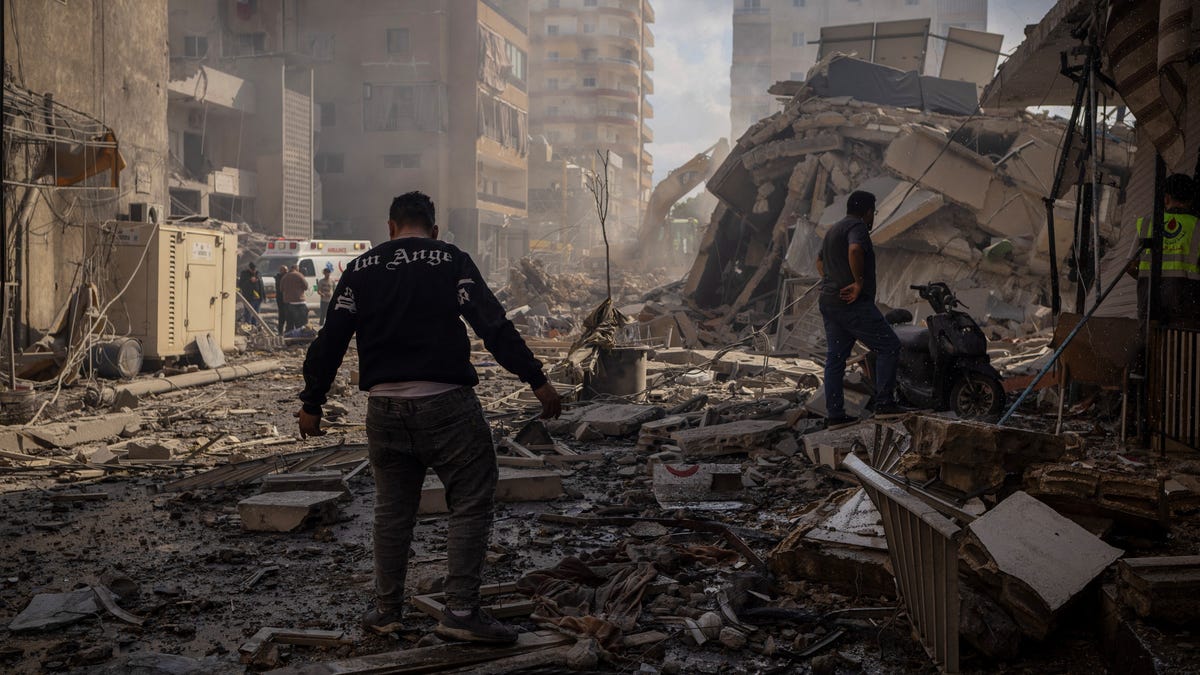
In Lebanon, strikes pummeled the country, including central Beirut, in the worst strikes seen since Israel launched its assault on Hezbollah in early March. The Iran-aligned group paused attacks on northern Israel and Israeli troops in Lebanon under the two-week U.S.-Iran ceasefire, yet Israeli officials said the deal did not pertain to their operations in Lebanon. In response, Iran closed off the Strait of Hormuz, according to officials in Iran. Read the latest on the developing situation here.
|
A man walks past the rubble a building at the site of an Israeli strike in Tyre, Lebanon, April 8, 2026.
Adnan Abidi, REUTERS
|
Over 38 days of war, here's what the military says it's bombed
|
Speaking to reporters the morning after the ceasefire was announced, Pentagon chief Pete Hegseth and the top U.S. military officer called the war a success that had achieved Trump's military objectives.
|
The war, which the United States launched jointly with Israel on Feb. 28, has killed 13 American service members and thousands of Iranians, according to initial estimates. The U.S. military said it hit more than 13,000 targets in its 38-day war with Iran, across drone facilities, ships, naval mines and other targets.
|
Meet the unlikely but effective mediators who brokered the ceasefire
|
As Israel, Iran and the United States stood on the precipice of escalating a volatile war, two unlikely nations emerged as effective negotiators in the 11th-hour appeal to prevent further bloodshed.
|
China and Pakistan − two nations not exactly known for simple relationships with the United States − ended up playing critical roles. But even those were complex. Pakistan is entangled in a deadly conflict with Afghanistan. China is the chief global rival to the United States, and has no military footprint in the Middle East. So how did these two countries help secure the fragile peace deal? As USA TODAY's Kim Hjelmgaard explains, it wasn't all that straightforward.
|
|
The lawsuit challenges a recent memorandum from the Department of Justice declaring the decades-old Presidential Records Act is unconstitutional.
|
|
Democratic U.S. Sen. Elissa Slotkin of Michigan is among a large and growing group of potential 2028 contenders for president.
|
|
|
|
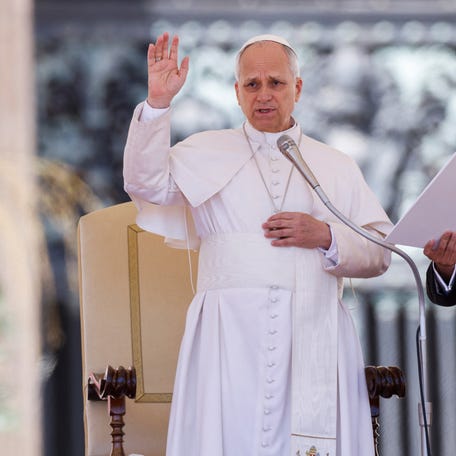
Pope Leo XIV called for prayer and a vigil after President Donald Trump announced a two-week ceasefire with Iran, urging diplomacy.
|
|
|
|
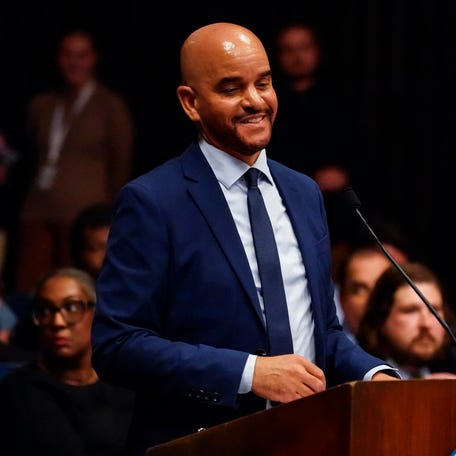
An Indianapolis council member said more than a dozen bullets were fired at his home on April 6.
|
|
|
|
Trump-endorsed Republican Clay Fuller won a special election to replace Marjorie Taylor Greene in Georgia. He still has to win a primary and midterm.
|
|
|
|
|
|
Sign up for the news you want
|
Exclusive newsletters are part of your subscription, don’t miss out! We’re always working to add benefits for subscribers like you.
|
|
|
|
|
|









No comments:
Post a Comment